Bang On A Can All-Stars: David Lang: mystery sonatas
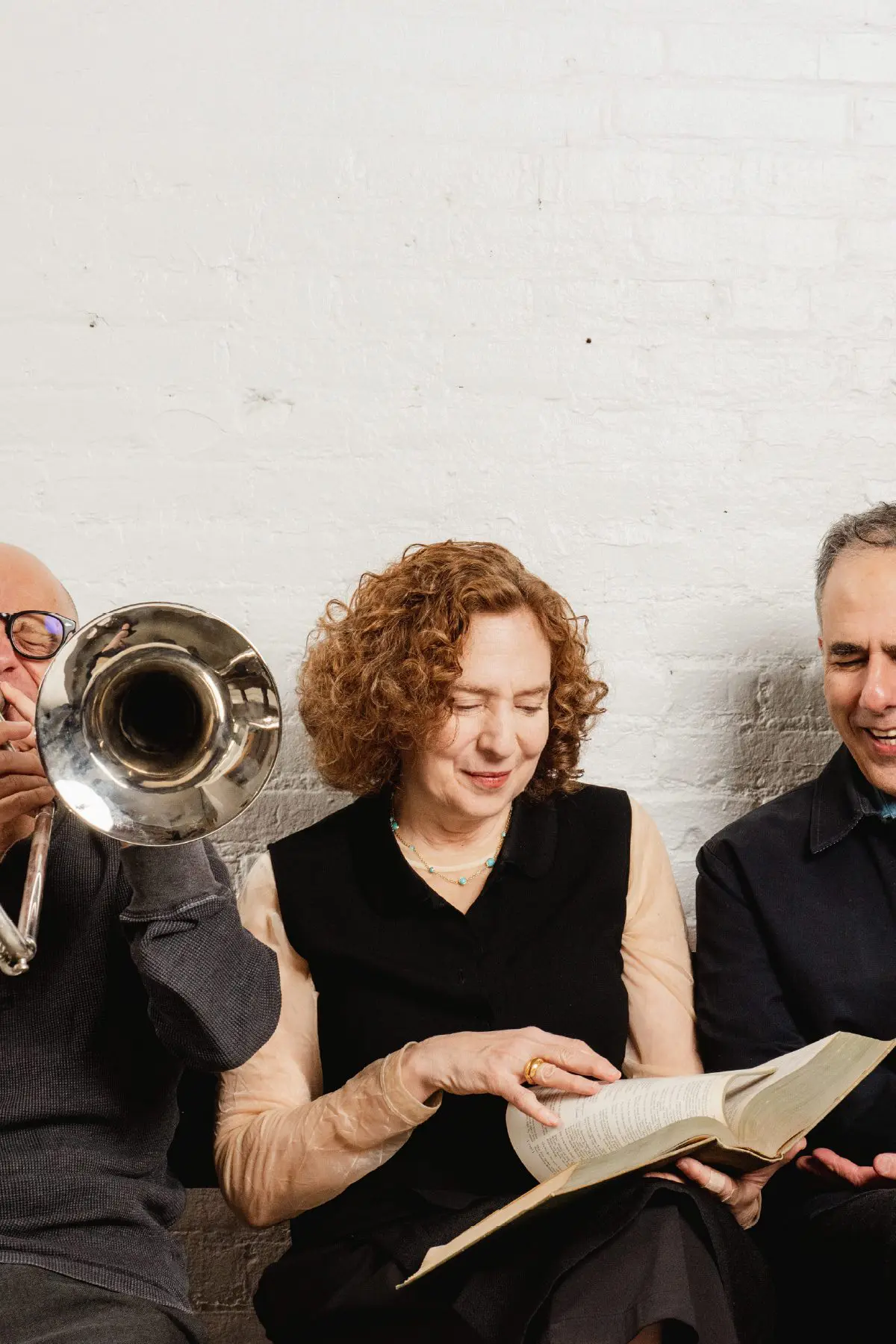
Across four decades, Bang on a Can has become an indispensable American art institution, not only working as a wellspring of and syndicate for new music but also reinvigorating foundational works of the past. When Michael Gordon, David Lang, and Julia Wolfe arrived in New York from Yale in the mid-’80s, the young composers were struck by the way that contemporary classical music felt like a closed system, a few people playing for each other with no hope of sharing it to a wider world. They changed that, beginning with the first Bang on a Can festival in New York in 1987 and extending it in most every direction imaginable for a performing-art organization” a record label, multiple festivals, a program where small donations from patrons pay for audacious commissions, a touring-and-recording band of All-Stars that have spread these sounds to the world’s far-flung places. “They have sustained what may be the most convivial vanguard in modern musical history,” Alex Ross wrote in The New Yorker. “The cult of genius has given way to a ritual of collaboration.” This year at Big Ears, Bang on a Can celebrates four decades with major works from three of its founders and three legendary composers.
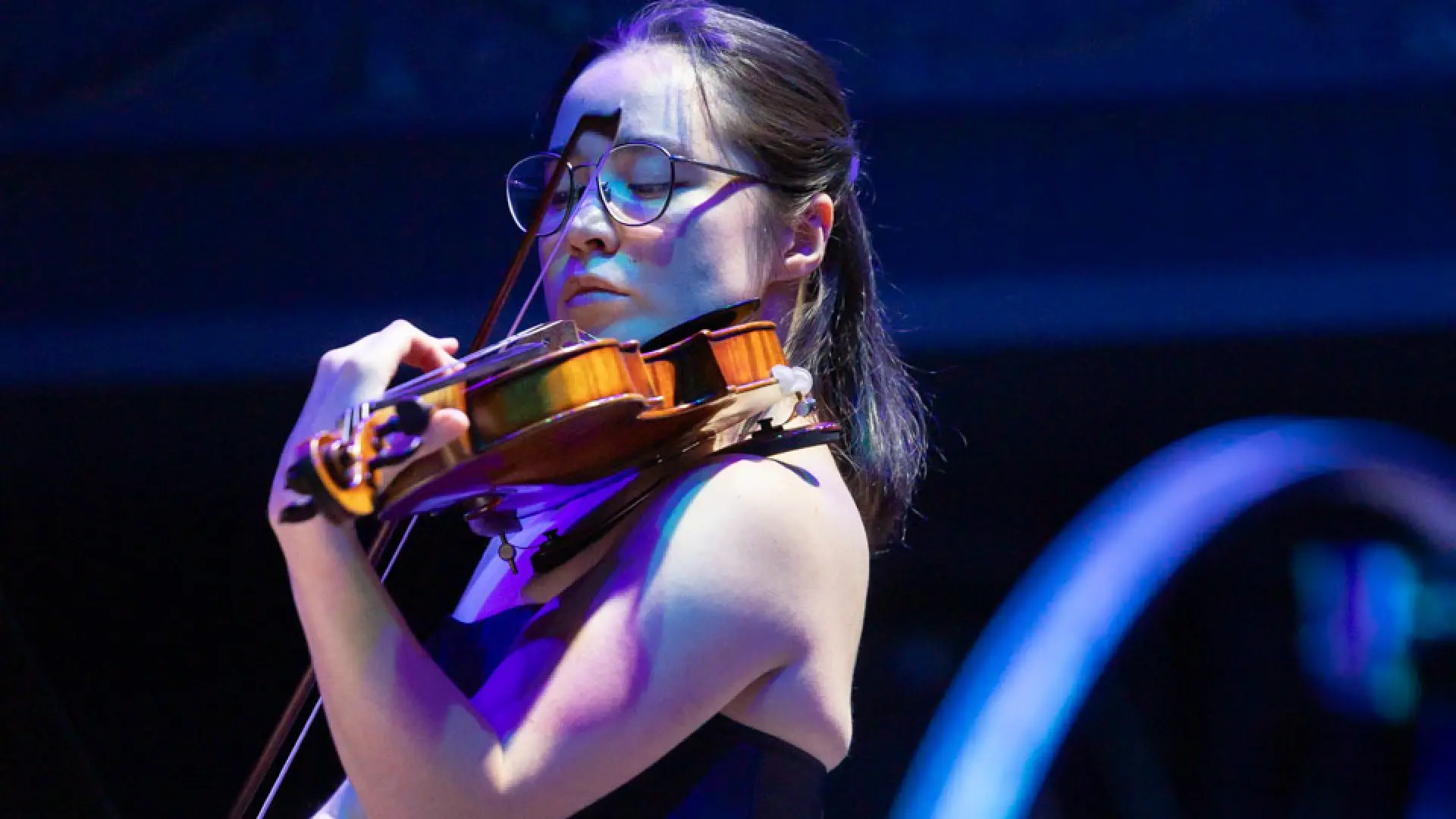
Lang is an expert at turning unexpected ideas or historical artifacts into absorbing compositions. He has turned Google search results into a hushed quasi-opera, aggregated the national anthems of the world into a massive piece, considered the disappearance of a farmer almost two centuries ago for an opera, and, most famously, turned a Hans Christian Andersen fable into an oratorio that won him the Pulitzer. In 2014, while in residency at Carnegie Hall, he built a festival called “collected stories,” considering the way that music transmits different narratives. For his own portion, he pondered Franz Biber’s Rosary Sonatas, a 17th-century contemplation of the life of Christ. Lang extracted the idea and the virtuosity required to play Biber’s work from its Christian context, applying them to the existence of anyone. Divided into seven sections centered on joy, sorrow, and glory, Lang’s mystery sonatas were first recorded by Augustin Hadelich but have now been taken up by Emma Meinrenken, the star first violinist for the New York City Ballet. It is an exacting but sweeping work, 45 minutes that contain the emotional wealth of a human life.