Bang On A Can All-Stars: Steve Reich: Music For 18 Musicians
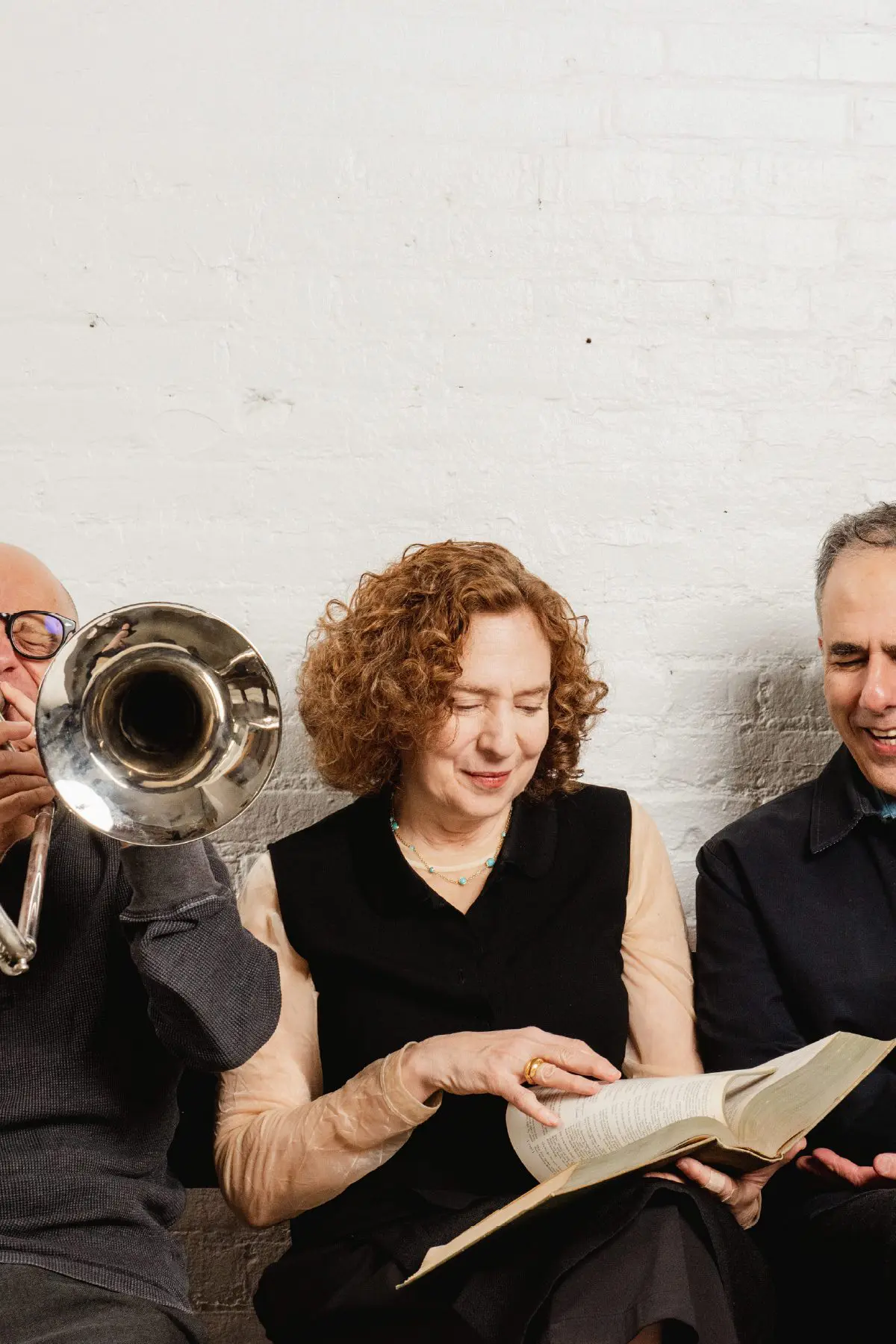
Across four decades, Bang on a Can has become an indispensable American art institution, not only working as a wellspring of and syndicate for new music but also reinvigorating foundational works of the past. When Michael Gordon, David Lang, and Julia Wolfe arrived in New York from Yale in the mid-’80s, the young composers were struck by the way that contemporary classical music felt like a closed system, a few people playing for each other with no hope of sharing it to a wider world. They changed that, beginning with the first Bang on a Can festival in New York in 1987 and extending it in most every direction imaginable for a performing-art organization: a record label, multiple festivals, a program where small donations from patrons pay for audacious commissions, a touring-and-recording band of All-Stars that have spread these sounds to the world’s far-flung places. “They have sustained what may be the most convivial vanguard in modern musical history,” Alex Ross wrote in The New Yorker. “The cult of genius has given way to a ritual of collaboration.” This year at Big Ears, Bang on a Can celebrates four decades with major works from three of its founders and three legendary composers.
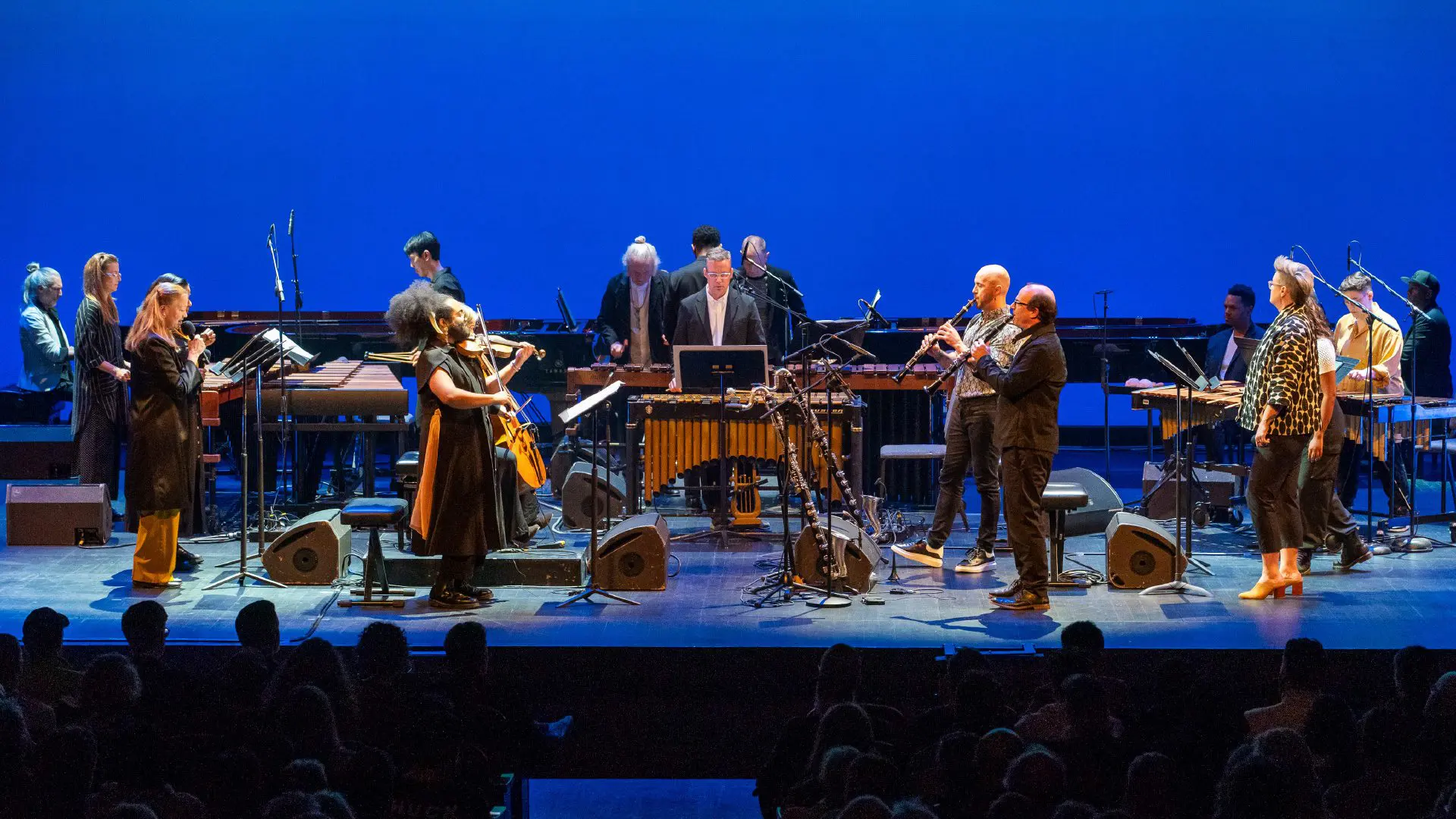
Bang on a Can hosted that first festival in a small art gallery in SoHo in the spring of 1987, performing pieces by Stravinsky and Zorn, Cage and Oliveros. With Steve Reich in attendance, they also performed his Four Organs, which had invoked consternation and outrage 14 years earlier when played at Carnegie Hall. Ever since, Reich and Bang on a Can have enjoyed a symbiosis, whether premiering his work or taking it on tours around the world; in May 2026, almost exactly 39 years since that Four Organs performance, they revisited it during a “Reich marathon” in celebration of his 90th year. And almost exactly 51 years after Reich premiered Music for 18 Musicians at New York’s Town Hall in 1976, Bang on a Can revisits that masterpiece at Big Ears. Though Reich and the piece are forever tied to minimalism, it pulses with ecstasy and wonder, the possibility and joy of life itself seeming to spring from every mallet against metal and every breathtaking chord change, a maximalist wonder. “The raw power of sound rose, fell, morphed and phased,” Spin wrote of Bang on a Can’s 2024 performance, “as if it was an elemental part of nature itself.”