Black Cherry
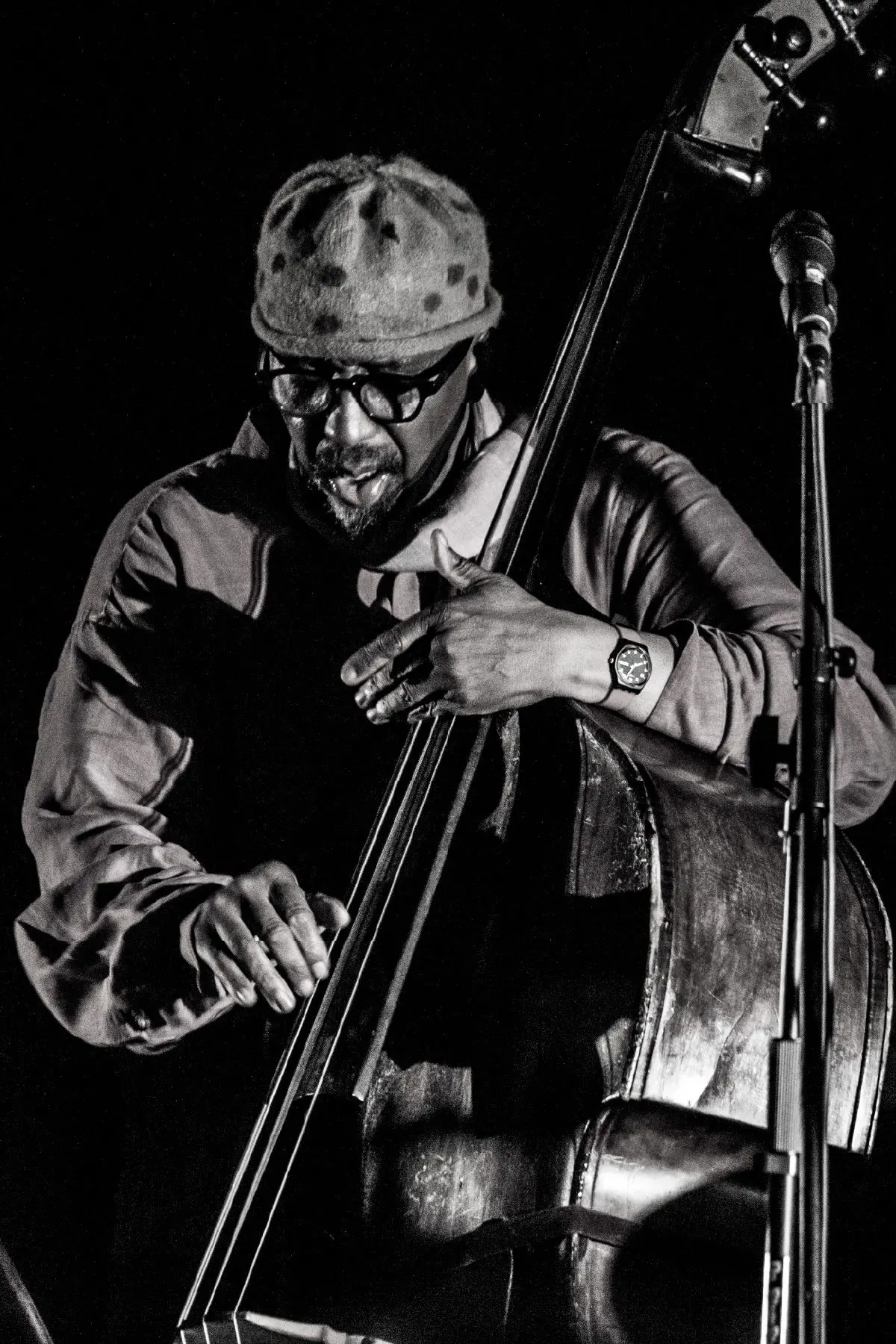
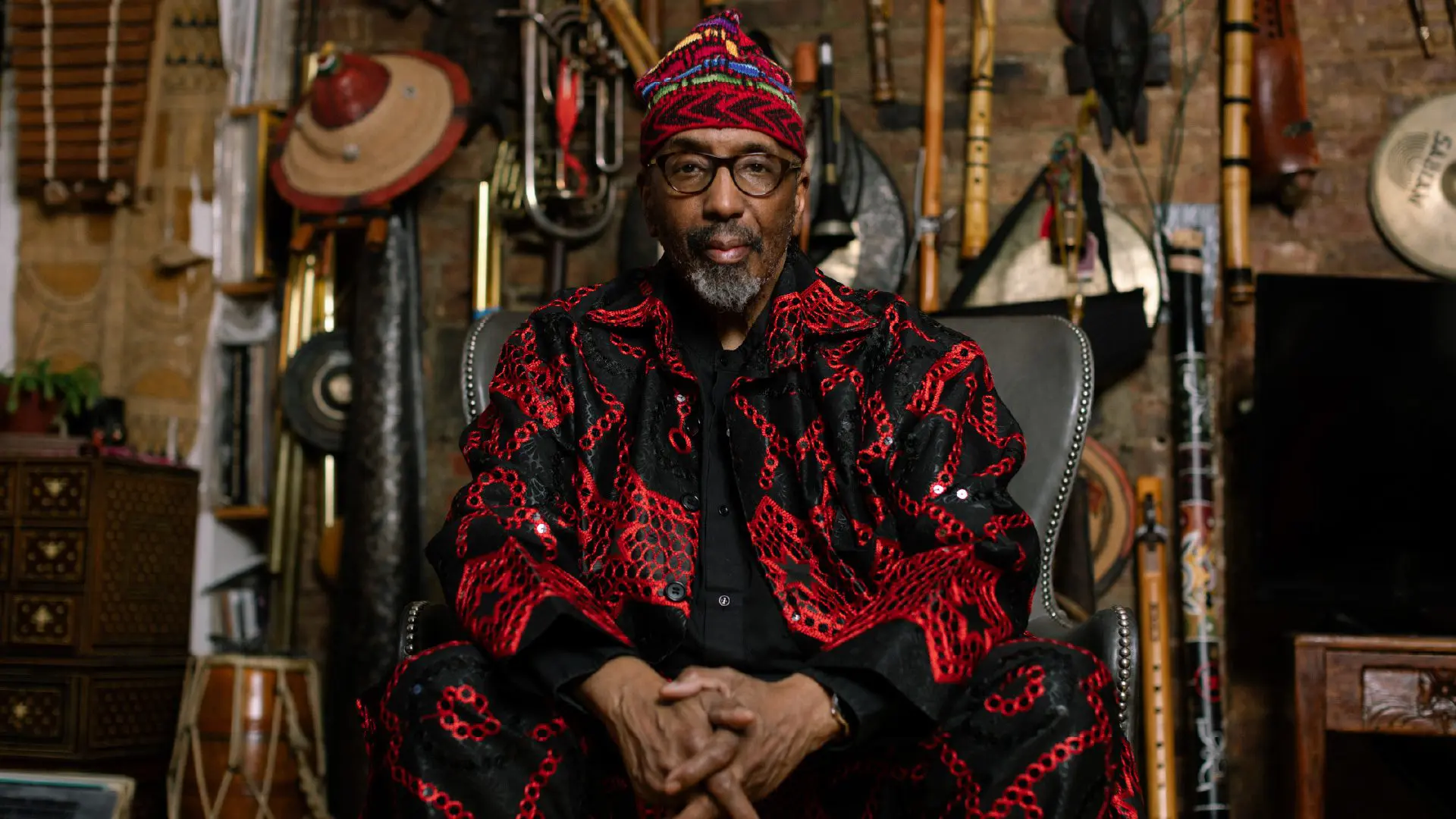
The Village Voice once proclaimed that William Parker was “the most consistently brilliant free jazz bassist of all time.” The New York Times called Parker a “champion of improvised music, community building, and appreciation of beauty.” If Parker had his druthers, though, he would likely strip away the hierarchy not just of superlatives but also of money in music, so that the art could simply exist. “Music is a great force, and we have to get it out there,” he once said. “We will continue to exist without the praise and the talk and the pay.” Parker grew up in the South Bronx, playing along to his father’s record collection by blowing into the end of a toy gun, pretending it was a trumpet. He got a gig the day he bought his first bass at 19 and often walked nine miles across New York, his bass strapped across his back, to play on the Lower East Side. He has not looked back since. He played with Cecil Taylor and David S. Ware for decades before emerging as a bandleader in the ’90s, becoming wildly prolific in part by being open to Universality Tonality—that is, the belief that everyone can tap into the shared communication, wisdom, and redemption of music. Big Ears 2027 will celebrate the 75th birthday of this free music powerhouse and mentor by hosting five of his bands.
Parker and drummer Hamid Drake were both decades into their careers when they first met. Their relationship first moved slowly—an encounter in 1989, followed by a musical rendezvous through Peter Brötzmann’s Die Like a Dog Quartet five years later. They were, after all, from separate scenes, with Parker a New York improvisational mainstay in much the way Drake was to Chicago. But in early April 2000, they met in a Brooklyn studio, cutting all of their rapturous and rangy 2001 debut, Piercing the Veil, in a single day. They danced on opener “Black Cherry” and the buoyant “Loom Song,” then shifted into a deep rhythmic trance on “Japeru” as Parker reached for the shakuhachi. Dubbing their Black Cherry duo a “rhythm-and-ritual orchestra,” Parker and Drake, who have since recorded more than a dozen albums together in several configurations, remain wildly open in this collaboration, shifting between grooves and formless space at will.