Dawn of Midi
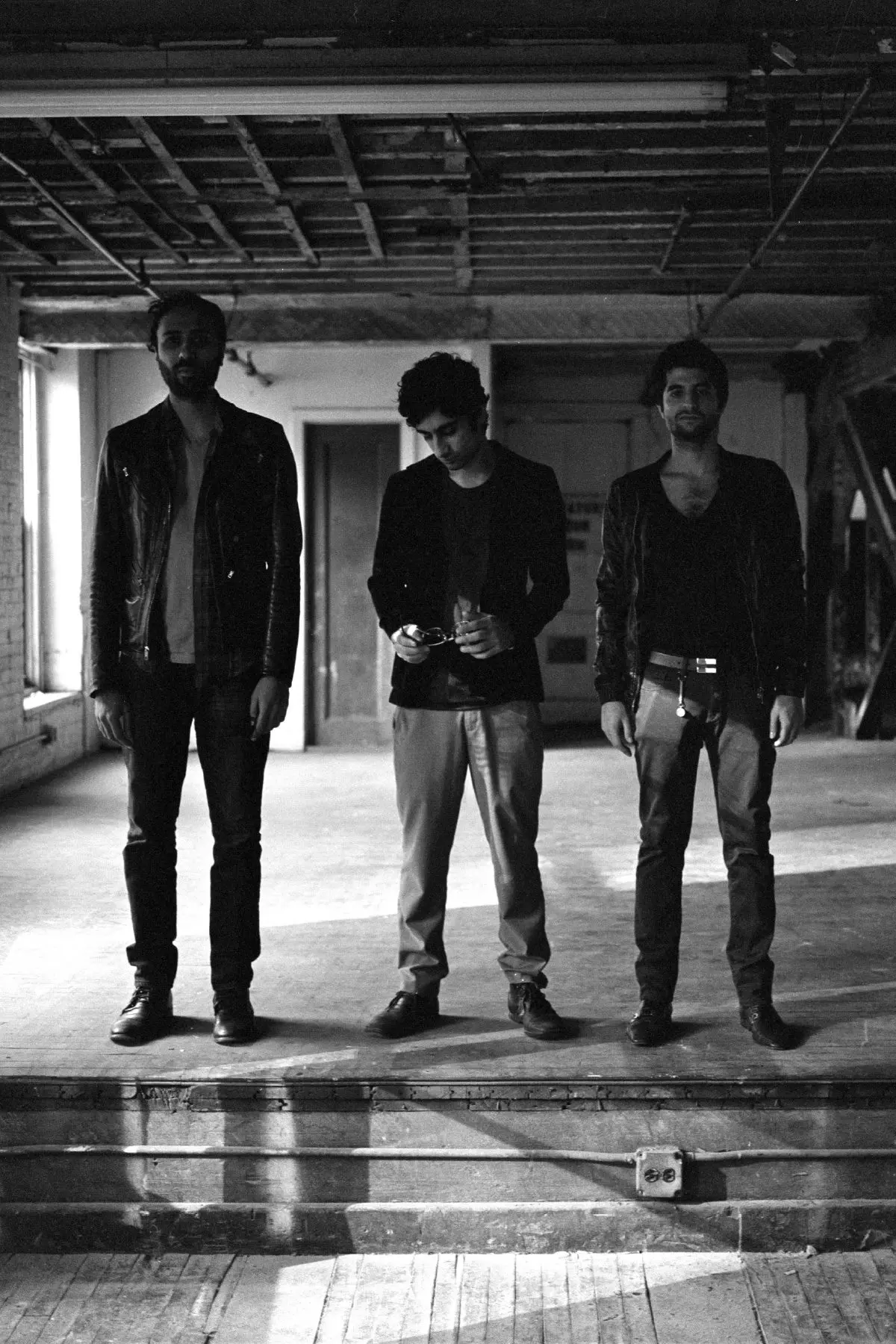
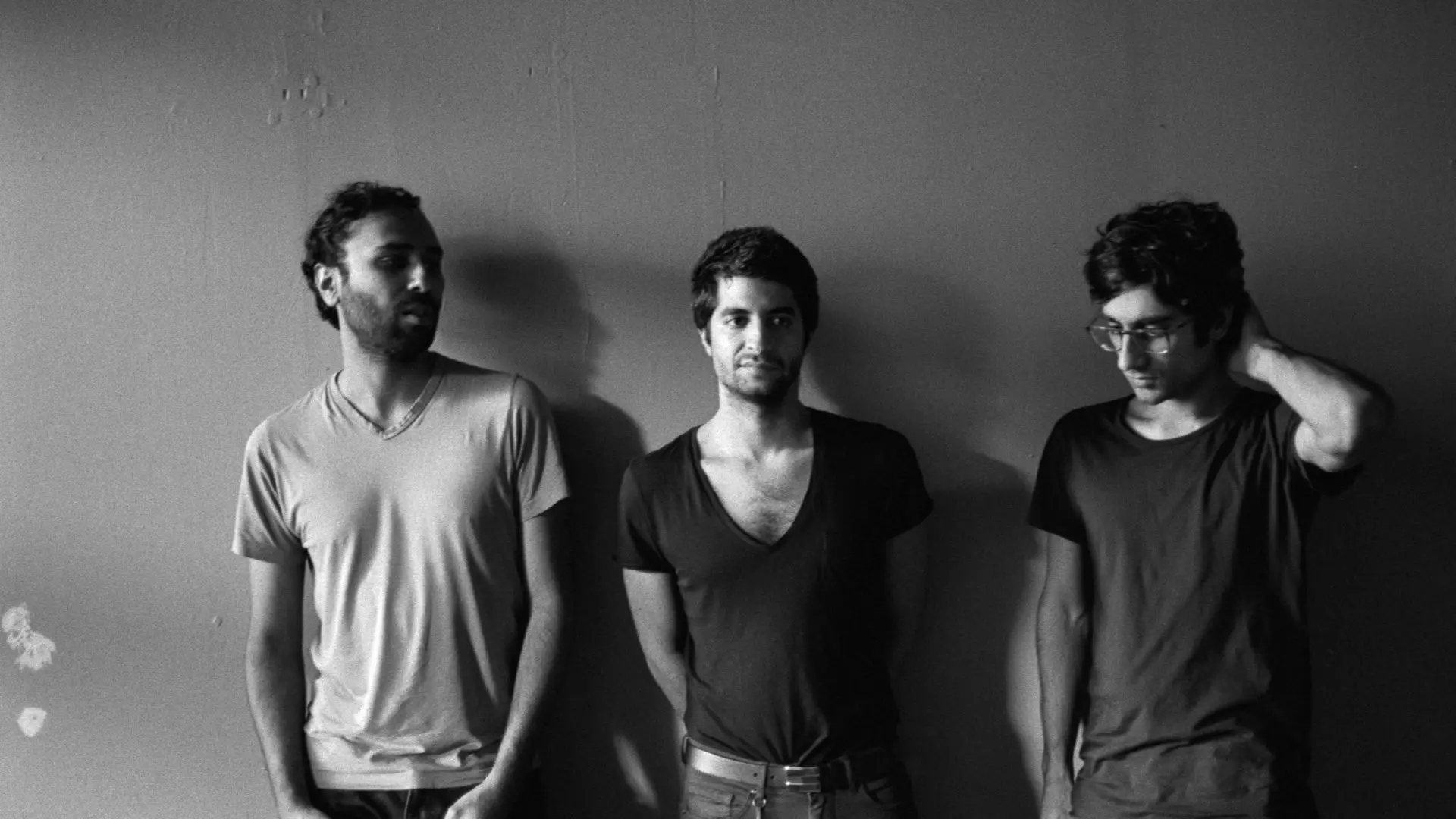
On their 2013 masterpiece Dysnomia, Dawn of Midi didn’t just ask questions about how a trio that includes piano and upright bass and drums is meant to sound or about where jazz and classical music and electronica all respectively ended and began. For 45 minutes, they answered those questions and others with a rather emphatic and resolved shrug—however you can imagine them is exactly right. Pianist Amino Belyamani, bassist Aakaash Israni, and drummer Qasim Naqvi are each from far-flung places—Morrocco, India, and the United States. But they met at CalArts two decades ago, becoming pals who partied, played tennis, and eventually began improvising together in complete darkness, a practice that yielded their excellent debut, First. “hindu pedagogy” was lumbering and intense, all three beating against the meter like it had wronged them; “tale of two worlds” was a slow-motion roller-coaster, worried but ascendant, Belyamani’s piano and Naqvi’s drums seemingly locked in a dialogue about dreams.
Before releasing their second (and, so far, last) album, though, Dawn of Midi set aside improvisation and began building a seamless piece by practicing three times a week for hours, writing and revising and scrapping and starting again. Belyamani would mute strings with his left hand and play keys with his right, Israni responding with a commensurate tone on the bass. Naqvi taped wires to his drums and pushed away his cymbals. Like The Necks without the buildup or Jeff Parker’s ETA IVTet (which didn’t exist yet) with a smaller palette, Dysnomia moved like a trance, little melodies washed upward and outwards by waves of rhythm. Influenced by abiding interests in Gnawa music, African drumming, minimalism, and minimal techno, Dysnomia staked new musical intersections, where what looked and even moved like jazz needn’t necessarily feel like it, where what felt like electronica didn’t necessarily move or look like it. Dawn of Midi comes to Big Ears 2027 for a very rare appearance.