Discovery Zone
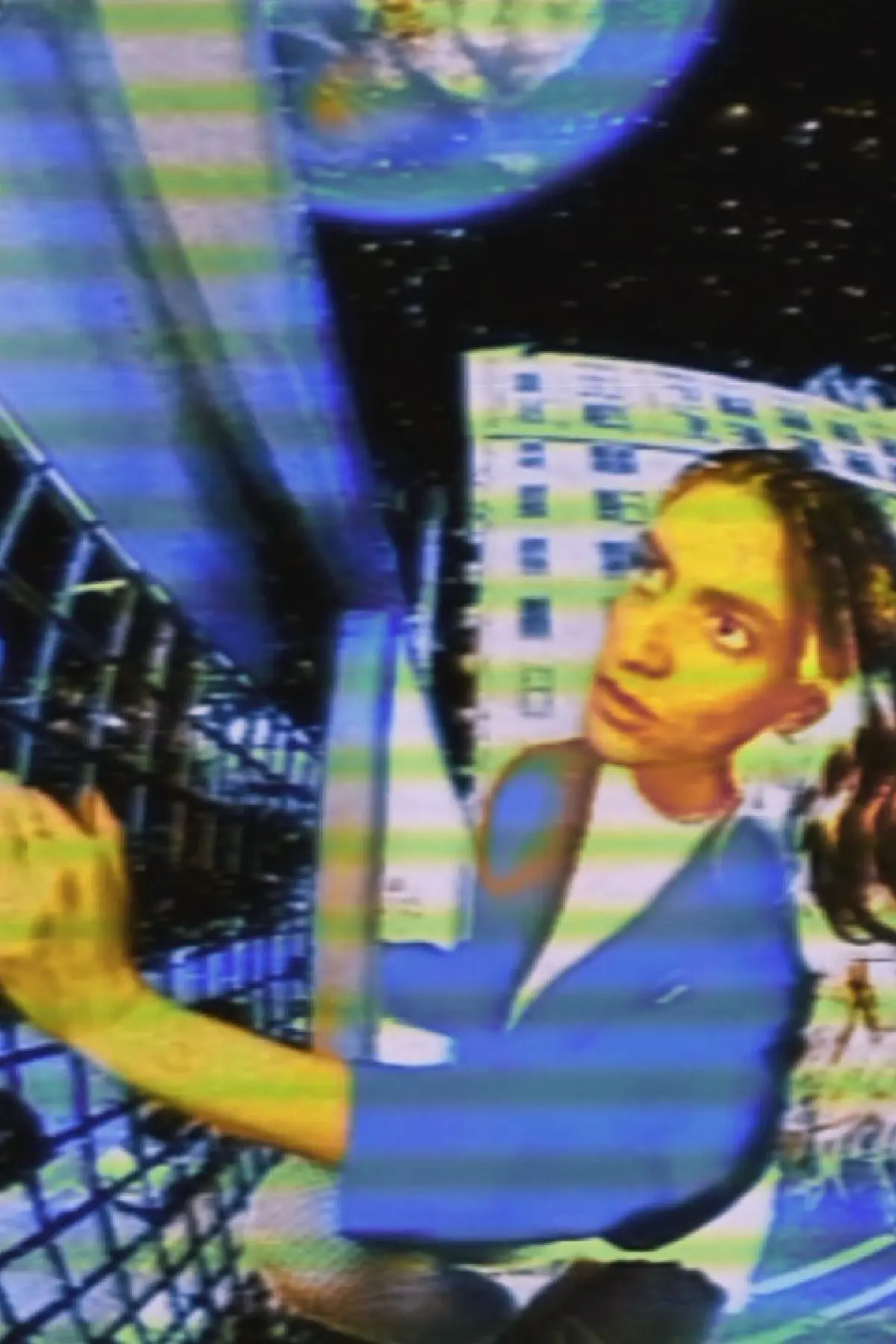
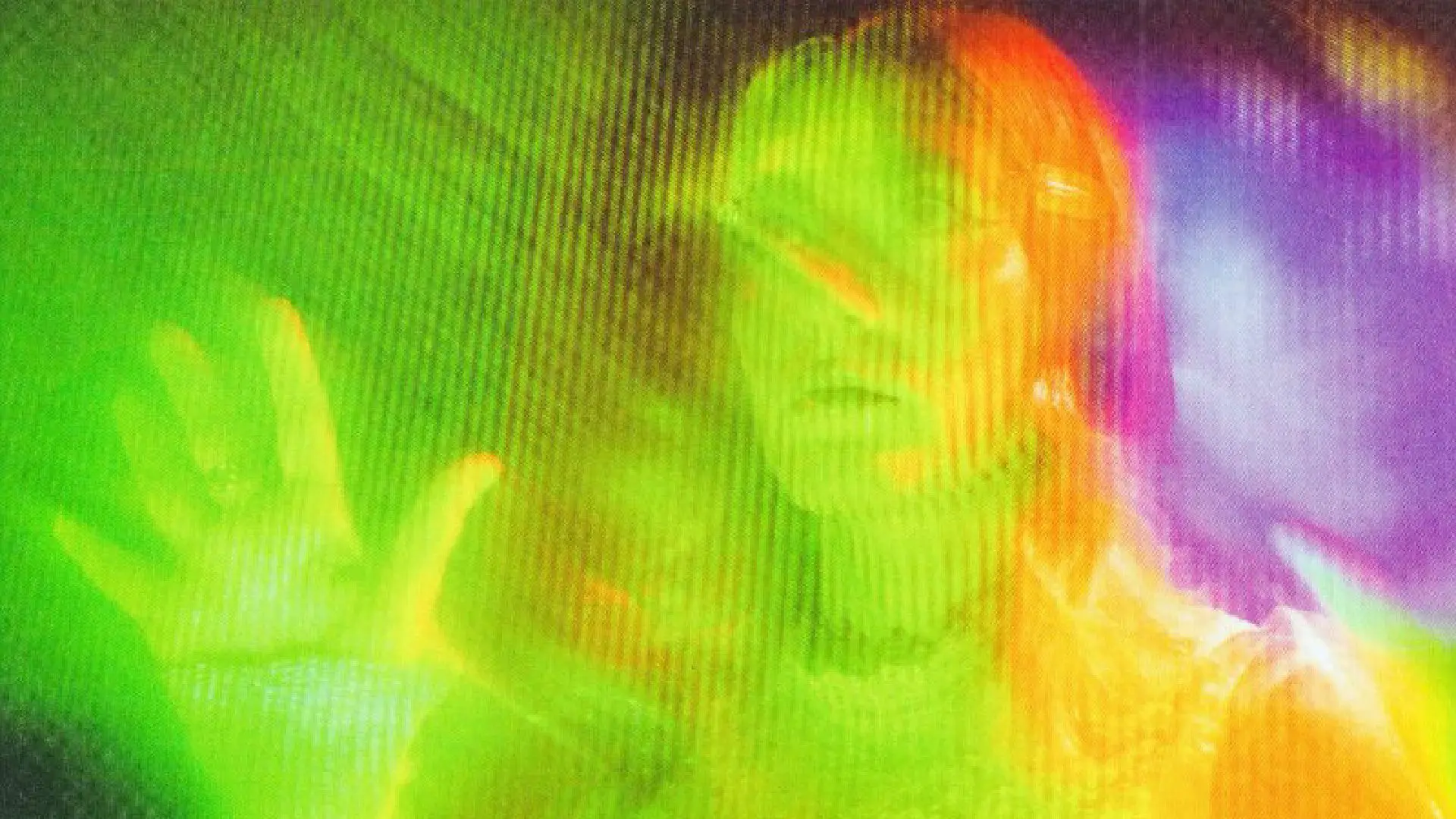
With her project Discovery Zone, the multimedia artist JJ Weihl makes electronic pop and atmospheric pieces that ask the biggest possible questions: What does it mean to exist in this world? What does it mean to have a memory? What does it mean to be a bundle of particles in a universe built from them? Weihl grew up in New York, a restless piano student who loved the Art of Noise and Laurie Anderson from a very young age. She started recording songs in high school, stacking on effects until they became very warped, before moving to Berlin and starting the mesmerizing dream pop outfit Fenster in her mid-20s. Bands are compromises, though, and, after several albums and tours, she began to wonder about her own aspirations and ideas beyond band world. “Discovery Zone,” she once said, “was born out of a desire to find my own taste and inclinations separate from the context of the band.”
Those inclinations proved both ambitious and diverse. The name borrowed from what was essentially a chain of children’s play pens in the ’90s, Discovery Zone started with the sounds of the past, with vintage synths and drum machines evoking a dream-softened version of the ’80s. Her 2024 album, Quantum Web, seemed to sway in the darkened recesses of a high-school cafeteria during a school dance, gently pulsing. But the lyrics and sounds ferried big ideas about memory and existence, reality and oblivion. Such thoughts really bloomed on Library Copy Do Not Remove, the LP version of an installation Weihl made for the massive sound system and screen of Berlin’s Zeiss Major Planetarium. She invokes Borges, nature, and technomytholgy amid arpeggios scattering in all directions. Weihl wrote Library Copy as she was finishing Quantum Web, a testament to her ostensible belief that “art pop” isn’t an oxymoron but instead a redundant phrase.