Mayan Space Station
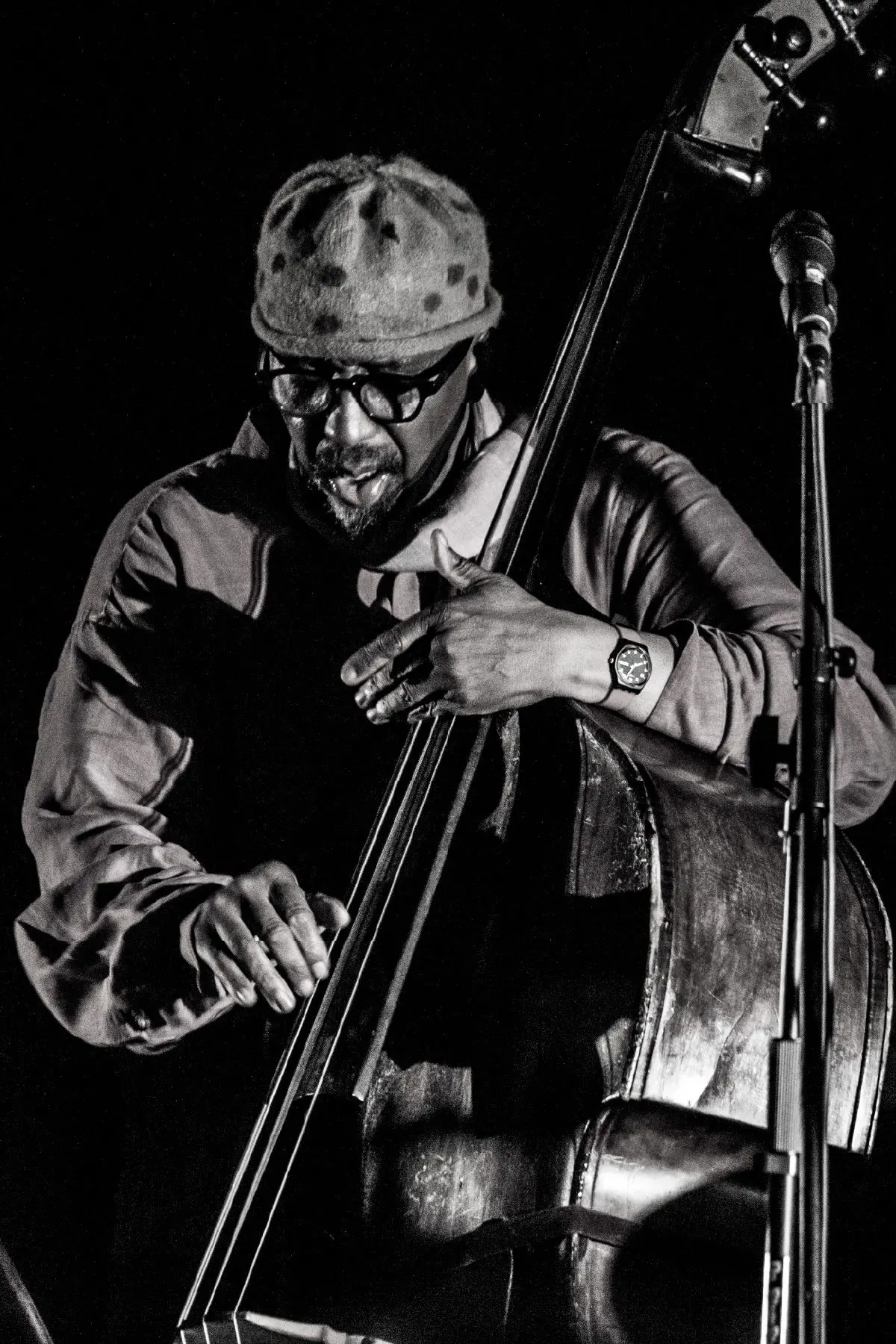
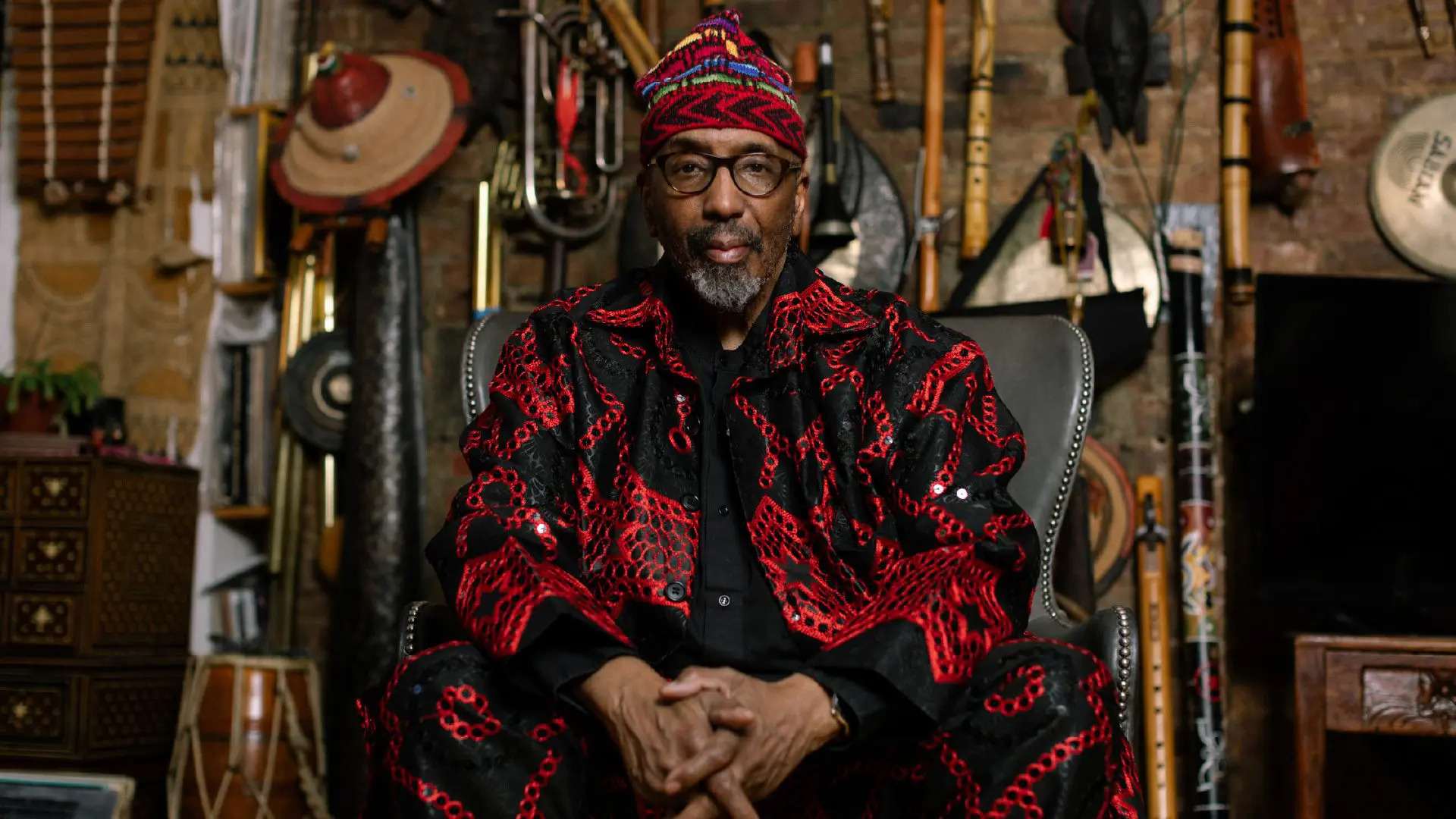
The Village Voice once proclaimed that William Parker was “the most consistently brilliant free jazz bassist of all time.” The New York Times called Parker a “champion of improvised music, community building, and appreciation of beauty.” If Parker had his druthers, though, he would likely strip away the hierarchy not just of superlatives but also of money in music, so that the art could simply exist. “Music is a great force, and we have to get it out there,” he once said. “We will continue to exist without the praise and the talk and the pay.” Parker grew up in the South Bronx, playing along to his father’s record collection by blowing into the end of a toy gun, pretending it was a trumpet. He got a gig the day he bought his first bass at 19 and often walked nine miles across New York, his bass strapped across his back, to play on the Lower East Side. He has not looked back since. He played with Cecil Taylor and David S. Ware for decades before emerging as a bandleader in the ’90s, becoming wildly prolific in part by being open to Universality Tonality—that is, the belief that everyone can tap into the shared communication, wisdom, and redemption of music. Big Ears 2027 will celebrate the 75th birthday of this free music powerhouse and mentor by hosting five of his bands.
In the summer of 2019, near the start of a weeklong residency at The Stone, Parker did what he has so often done during his storied career, what has long made him such a vital improviser: He tried something new. His Thunder and Flowers quartet involved some familiar faces, including Cooper-Moore, but the wild card was Ava Mendoza, the radiant and electric guitar soloist and bandleader. Within two years, Parker and Mendoza had affirmed their chemistry with Mayan Space Station, the bassist’s first ever guitar trio and a real if wildly surprising power trio. Joined by drummer Gerald Cleaver, capable of hitting hard or painting with splatters of sound, Mayan Space Station wrestled with long and winding riffs and controlled feedback during “Domingo,” then sculpted space and time itself on “Canyons of Light,” Parker’s arco bass and Cleaver’s world of cymbals letting Mendoza explore pure tone. Their debut was an astonishing listen, as mighty as it was cerebral; they reunite in Knoxville.