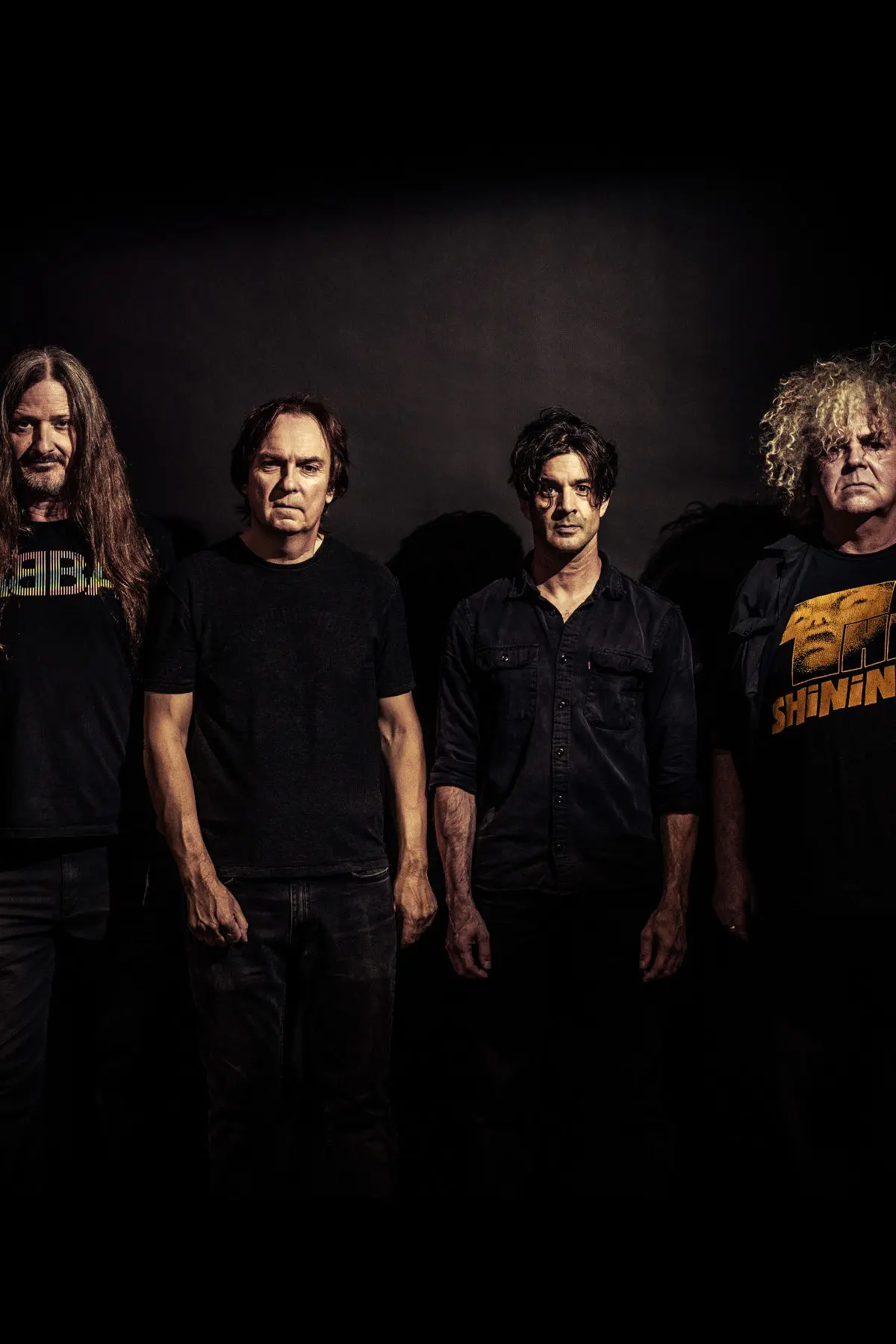
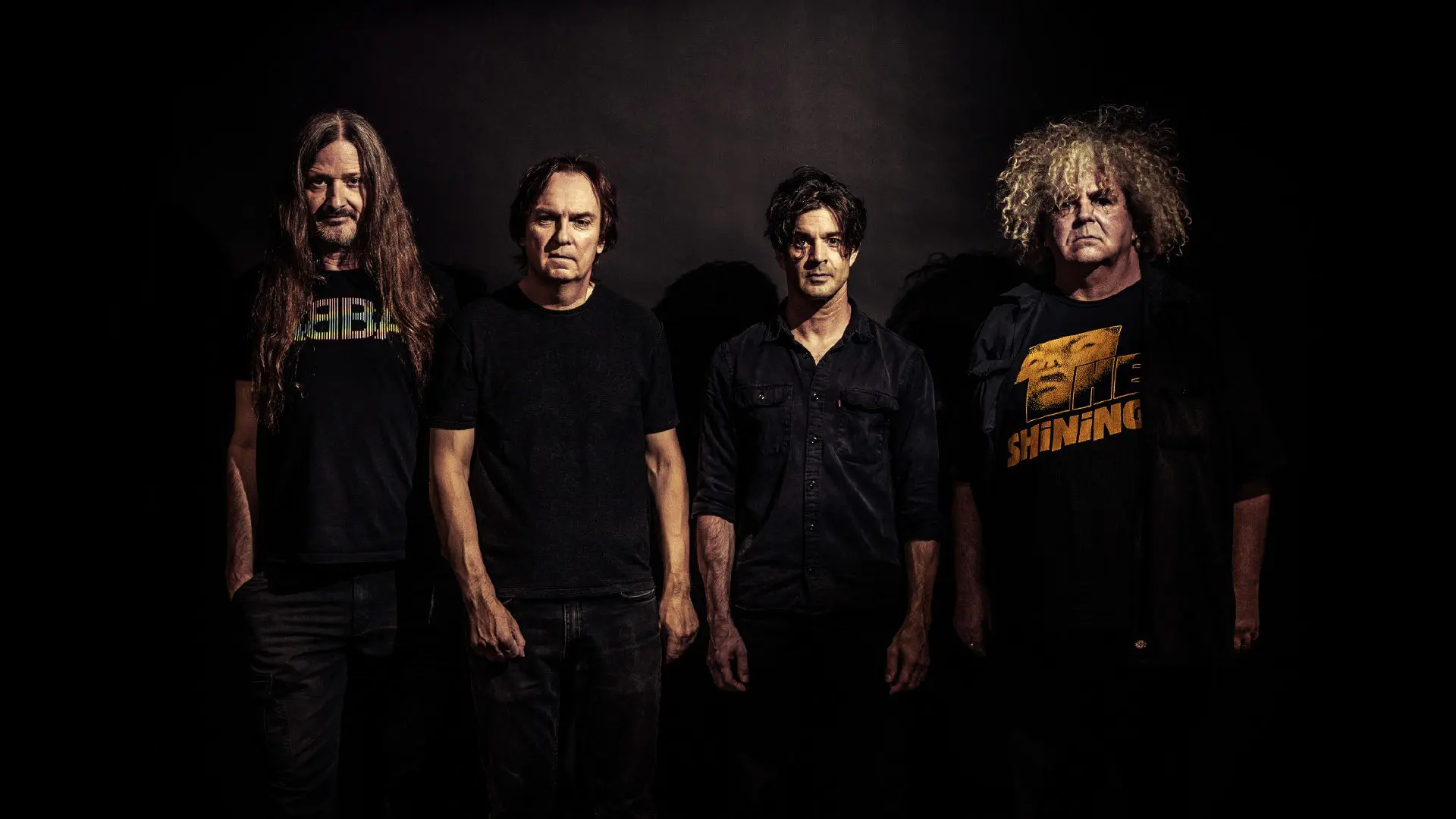
Melvins
Though the Melvins are one of the most influential bands to ever crawl out of rock ’n’ roll’s primordial underground, from an effect on grunge that was so profound that Kurt Cobain co-produced their Houdini to the fact that they essentially gifted Boris a name, no other band in the world has ever been able to sound quite like the Melvins. Dale Crover’s drums suggest a weaponized marching band headed out of hell. Buzz “King Buzzo” Osborne’s guitars pair the menace of Sabbath with psychedelic smears and spikes of noise, while he writes uncanny hooks that betray a childhood spent in a golden age of radio. The Melvins emerged from Washington state in the early ’80s, a crusty, churlish, and irreverent answer to their SST counterparts thousands of miles down the Pacific coastline. In the four decades since, they have remained one of rock’s most relentless bands, recording and touring at a pace upstarts would envy and always finding new ways to be weird.
Indeed, aside from the sheer stickiness and power of their malevolent songs, one of the sheer joys of the Melvins is all the new avenues Osborne and Crover find to refashion their long-running art project. They have made records with Jello Biafra and Lustmord, covered Fleetwood Mac and turned albums into a series of strange suites, expanded to include multiple drummers and guitarists, and toured in all 50 states (and D.C.) in a record-breaking 51 days, running a kind of rock ’n’ roll gauntlet for their own delight. Most recently, they combined forces with British extremists Napalm Death for a collaborative LP. The Melvins, then, are like a gyre, swallowing a world of inputs from metal and far beyond, and still somehow making it all sound like themselves—heavy and hooky tunes, hits in an alternate universe where everything is wild and free, noisy and funny.