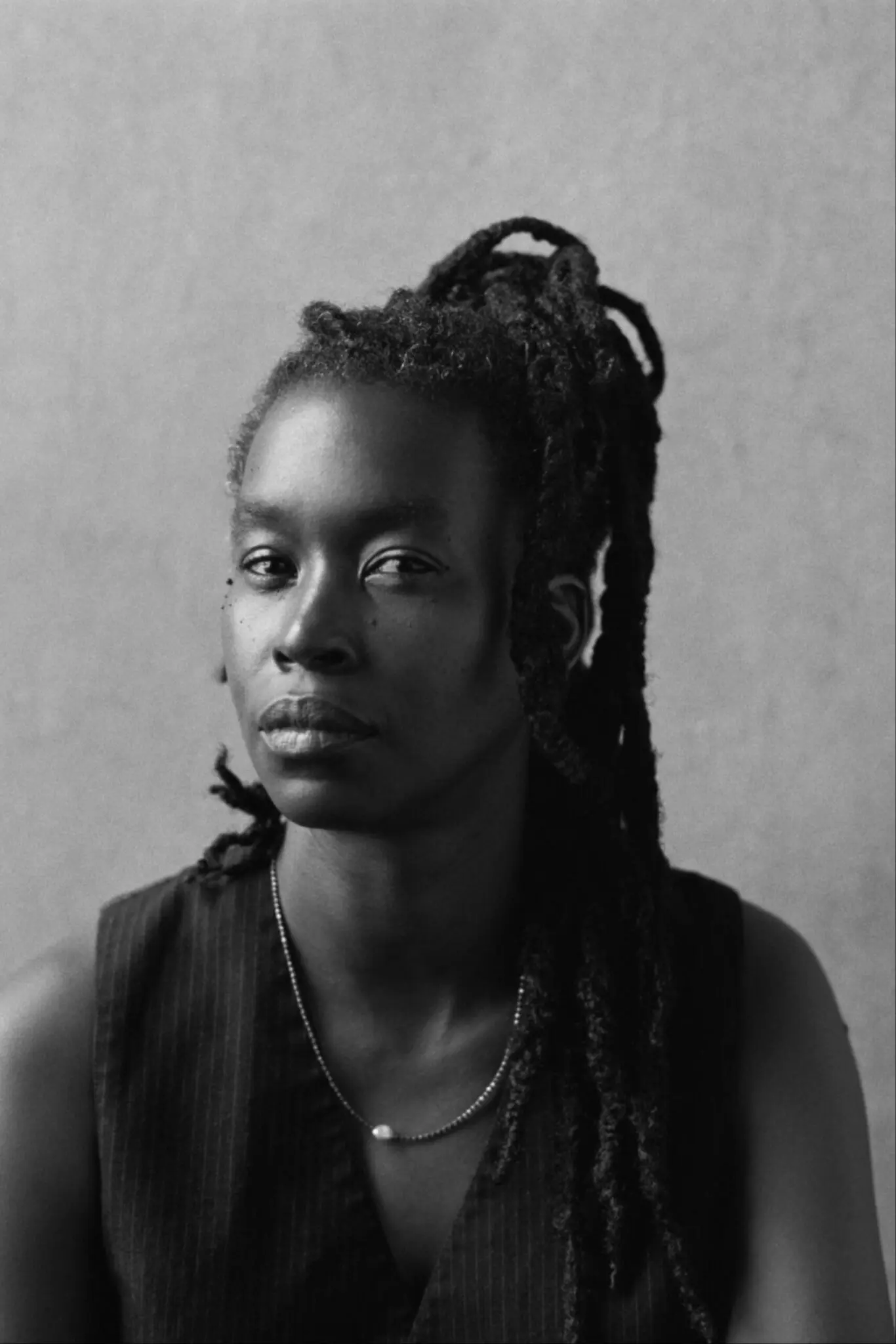
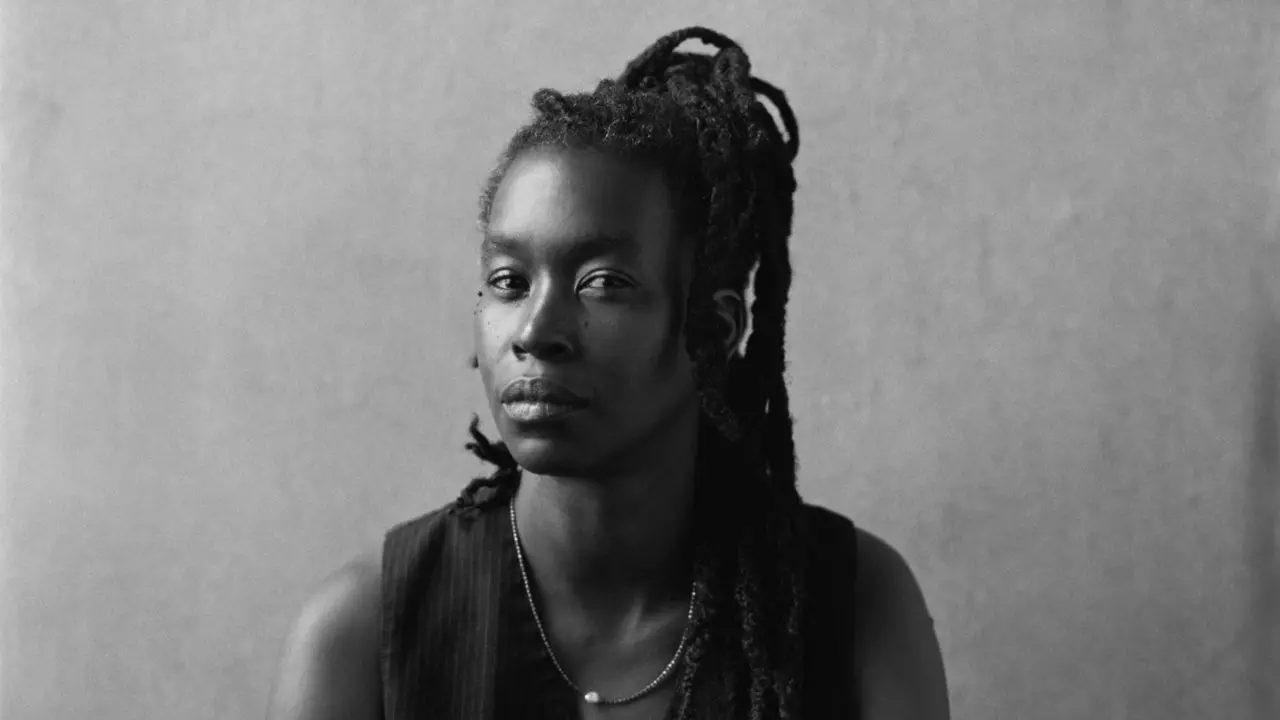
Moor Mother
“I feel like it’s a miracle to tell my story on a world level now,” Camae Ayewa told The Guardian a decade ago. The poet, rapper, producer, theorist, and organizer who records and performs as Moor Mother had been talking about the conditions of her youth—growing up in a Black project off of the interstate in Maryland, so separated from systems of commerce and creativity that she’d seen neither a drumkit nor the stores that sold them as a kid. But Ayewa gradually found collaborators and punk and noise and jazz, building them piecemeal into sound worlds where she could tell not only her story but also global ones of Black oppression and resistance, of pushing back against historical narratives to imagine alternate futures. From co-founding Black Quantum Futurism, an organization that combines cutting-edge notions of science with ancient African principles, to co-founding Irreversible Entanglements, a brilliant jazz quintet of spoken-word poetry and aggressive improvisation, Ayewa is at the vanguard of Black creativity and liberation right now.
On Moor Mother’s massive 2024 album, The Great Bailout, Ayewa explored Britain’s Slavery Abolition Act, 1833 legislation that compensated slave owners for their so-called lost property. Though she has rapped and sung over hazy R&B loops and astral jazz, Ayewa favors caustic noise, putting these stories and ideas to music that makes their urgency and insult clear. The Great Bailout did exactly that, its sounds a semaphore pointing out the violence, hypocrisy, and absurdity of such structures. Ayewa is an enthusiastic collaborator through Moor Mother, from making an album alongside avant-metal band Sumac to working with DJ Haram as 700 Bliss. These partnerships help her use the past to forge new conceptions of what may come, offloading the immense burden of reimagining the world herself. “As musicians, we are conductors of human emotion,” the singular artist and thinker once told Pitchfork. “My music is tied to a future and a history.”