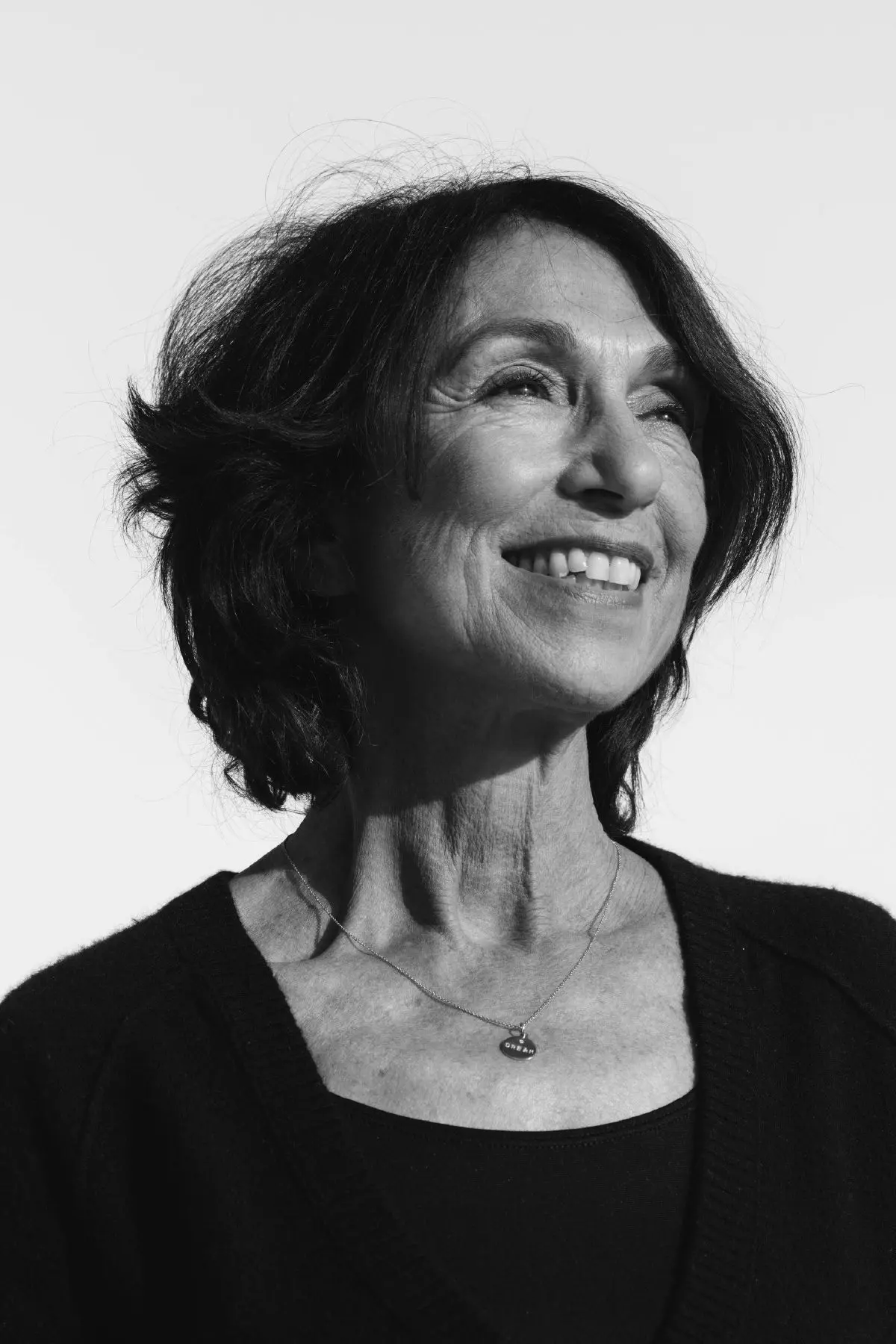

Suzanne Ciani
No one alive is perhaps more responsible for introducing the public to the fundamentals of the synthesizer and then advancing its possibilities than Suzanne Ciani. When The New York Times profiled her in 1974, the technology was still unknown to so many people that writer Helen Epstein had to define the synth as “literally, a machine which makes sounds synthetically” before explaining what exactly it could make and how. Six years later, Ciani laughed along with David Letterman on NBC as he first insulted her banks of technology before ultimately admitting his own intrigue. “Thank you very much for bringing your equipment in,” he ended the segment, shaking her hand. With her work making effects for kung fu films, pinball machines, and telecommunications companies, she helped usher synthetic sounds into everyday life, an immersion by infiltration that led to acceptance and exuberance for the music these machines could make.
But Ciani didn’t just make novel sounds. A childhood pianist who eventually majored in music and shipped off to Berkeley to keep studying, she stumbled into Mills College and started renting a Buchla synthesizer for $5 an hour. She eventually began building them, learning their intricacies and possibilities while realizing that these tools offered the kind of control and sovereignty she craved. “Everything was closed to women back then,” she once said. “There’s kind of a consensus that what attracted women to this field was that it gave them independence from a system that didn’t belong to them.” She welded her classical upbringing to her electronic adventures, building exquisite albums that bridged new technique and old structure, like Seven Waves and Dream Suite. Her performances now feel like illuminated lectures, using her synthesizers—actually, she prefers “analog modular electronic music instrument”—to survey electronic music’s historic sweep in seamless and beautiful longform pieces. Now 80, Ciani is still exploring electronic possibilities, using the latest technology to shape her own glowing atmospheres.