
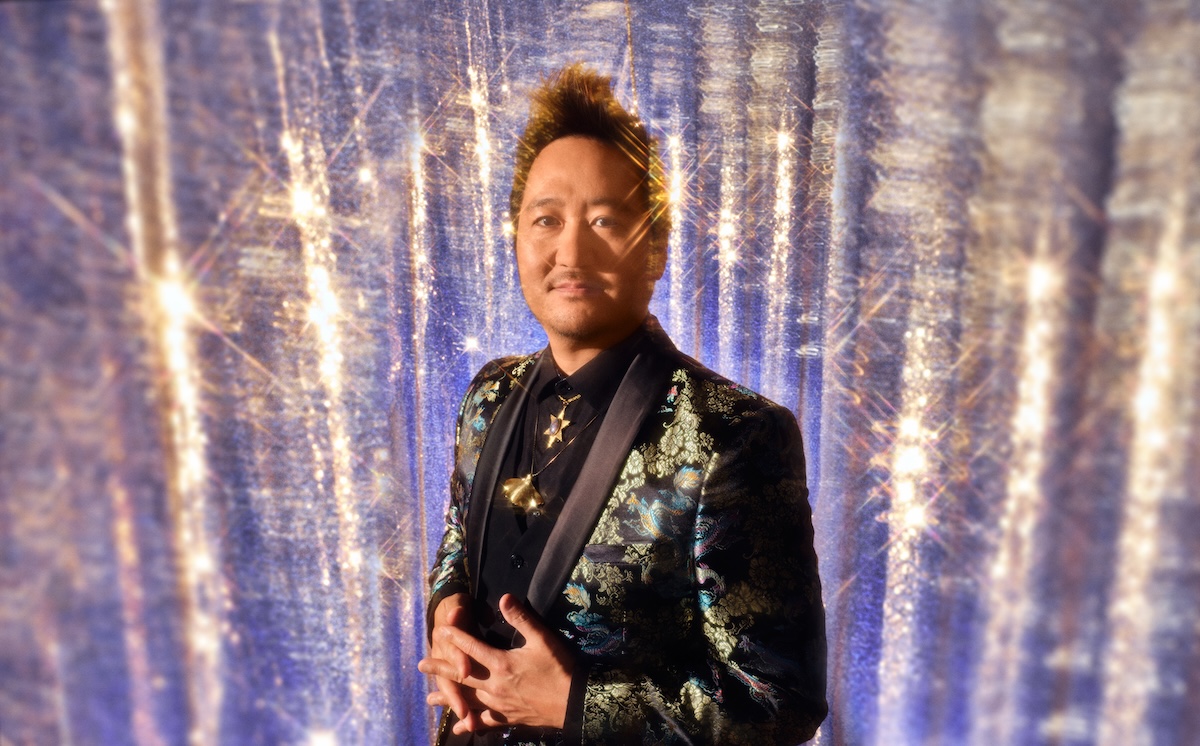
Kishi Bashi
After five centuries of violin history, the songwriter, singer, and dazzling instrumentalist Kishi Bashi is finding vivid new contexts for it in pop’s present. Though Bashi first pursued a more traditional role by studying scores at Berklee, he soon pivoted, starting the rapturous electropop act Jupiter One and subsequently joining groups such as of Montreal on tour. But it was Bashi’s solo work, first emerging on the 2012 LP 151a, that established his vivid ambitions and grand hopes for the instrument. 151a invoked the indie rock impulses of the moment, with skittering textures that suggested Animal Collective and intimate harmonies and revelations that aligned with Sufjan Stevens. Bashi’s work has only grown more pointed and distinct, as on Omoiyari, a film and album that reflected on the long-overlooked horrors of Japanese-American concentration camps during World War II.
Kantos, from 2024, proclaimed just how big Bashi’s reach may yet be. Inspired by the writings of Kant and a sci-fi series about the coexistence of humans and AI, by a trip to Crete and his resistance to transhumanism as a replacement for essential humanity, Kantos finds Bashi delighting in the possibility of new genres—the city pop dioramas of “Icarus IV,” the psychedelic soft-rock shimmer of “Late Night Comic,” the saxophone disco of “Lilliputian Chop.” The ever-restless Bashi began playing the guitar during the pandemic, too, these new tones supplying a fresh athleticism to his writing. Bashi’s sophisticated arrangements and complex topics have only grown, but his music remains instantly magnetic.