
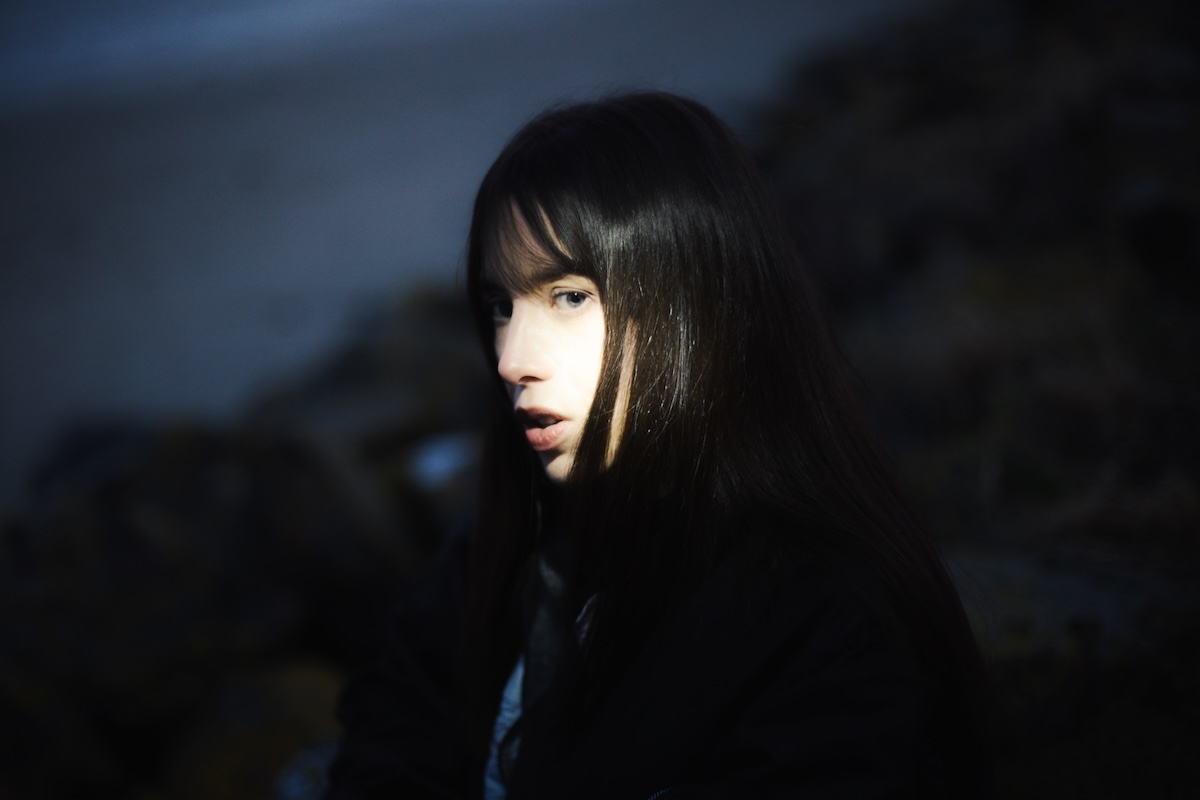
Maria Somerville
Maria Somerville’s 2025 wonder, Luster, represents the culmination and continuation of 40 years of dream-pop and its stylistic branches, including shoegaze and drone pop. There is, for instance, “Projections,” where silk-soft vocals drape across a simple rhythm that moves with surprising momentum, not unlike Cocteau Twins. There is “Trip,” where a few strummed chords support a lilting and infectious melody, as hooky as Galaxie 500. There is the drum-machine dream of “Violet,” which evokes the cool shimmer of Beach House, and the astral projection and stretched vocals of “Flutter,” which suggests the warped reality of Grouper. There are traces of My Bloody Valentine, Yo La Tengo, and Flying Saucer Attack, each a colored bit of thread in a broader tapestry. But Somerville adds the enthusiasm and charm of a naturalist, too, a belief in regeneration that renews these ideas for right now.
Somerville was raised in the lush wilds of Connemara, where the western edge of Ireland juts into the Atlantic like a serrated blade. She sang traditional songs with her family and explored the landscape, too, joining her dad on fishing trips or getting absorbed among the woods. These remembrances began filtering into her demos as she made her debut, All My People, in Dublin. They took a new kind of charge, though, after she returned to her native lands, the cycles of life she saw animating lyrics of loss and regrowth, of possibility emerging from what is past. That spirit powers Luster, making it one of 2025’s most absorbing records. “Dreaming of/a land unknown, becoming one,” she sings during “Violet,” her voice blurred and lifted as if by eternal fog over a beat that lands like ceaseless thunder. “Together we will grow.” There is hope to these natural and alluring hymns, a secret message coded by their haze.