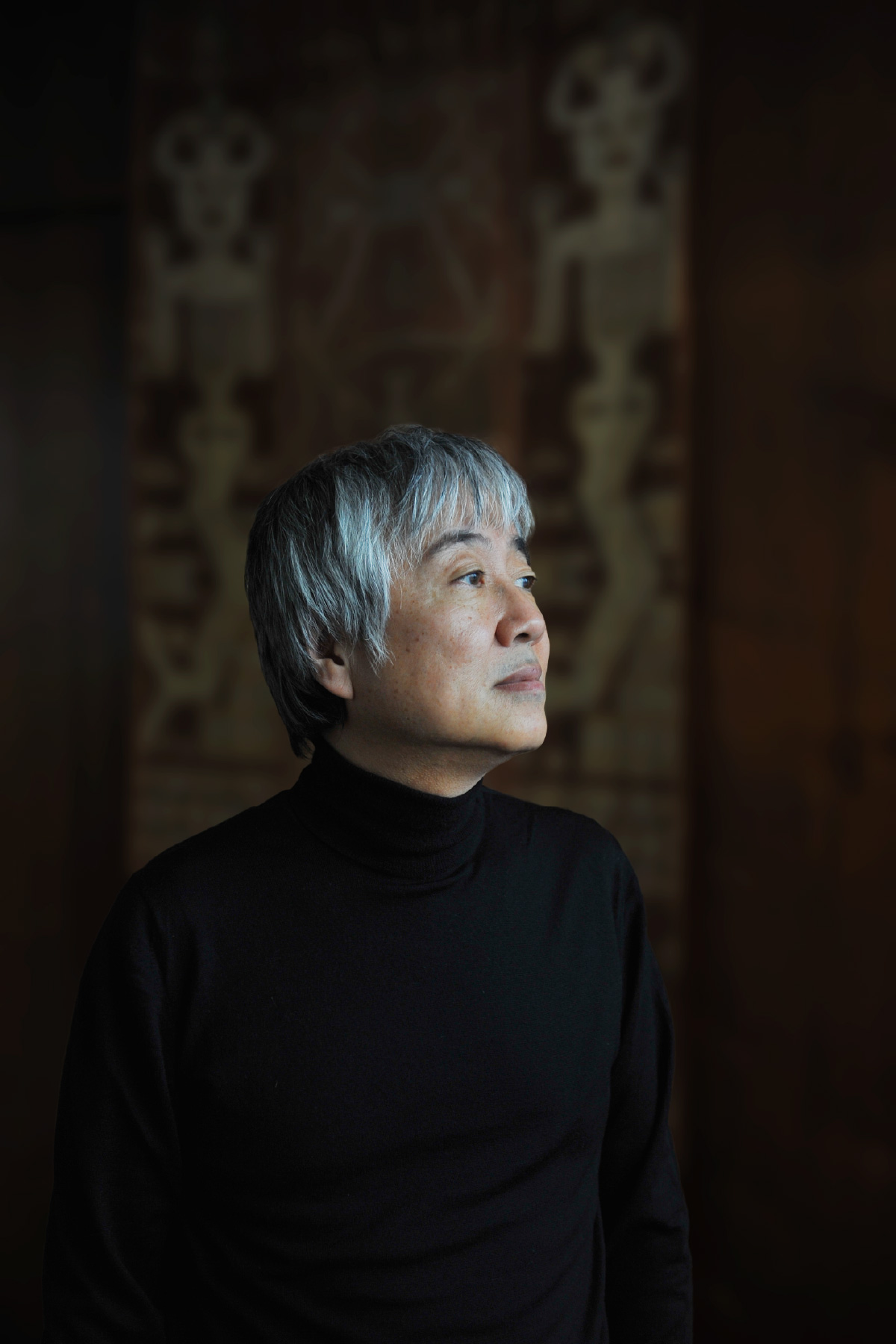
Yasuaki Shimizu
The international emergence of 72-year-old saxophonist, bandleader, composer, producer, and fusion powerhouse Yasuaki Shimizu during the last decade is an affirming reminder of just how infinite music is, how you can listen all day, everyday and still be surprised. Though Shimizu was a vital sideman in the late ’70s who soon joined and led the popular band Mariah, his music rarely made inroads beyond Japan. But a chance encounter with Mariah’s music by a pair of Scottish DJs two decades ago was one step in a long rediscovery-and-reissue campaign that has only now started to expose the depth and wonder of Shimizu’s music. To wit, a pair of early ’80s masterpieces, Kakashi and Kiren, went either overlooked or unreleased for several decades. No more: On those albums, Shimizu stretches his saxophone over rumbling African rhythms and fierce drum machine beats, wistful instrumental folk-pop and serene field recordings. As Oneohtrix Point Never’s Daniel Lopatin once put it, these recordings render Shimizu as a kind of “postmodern Bach.”
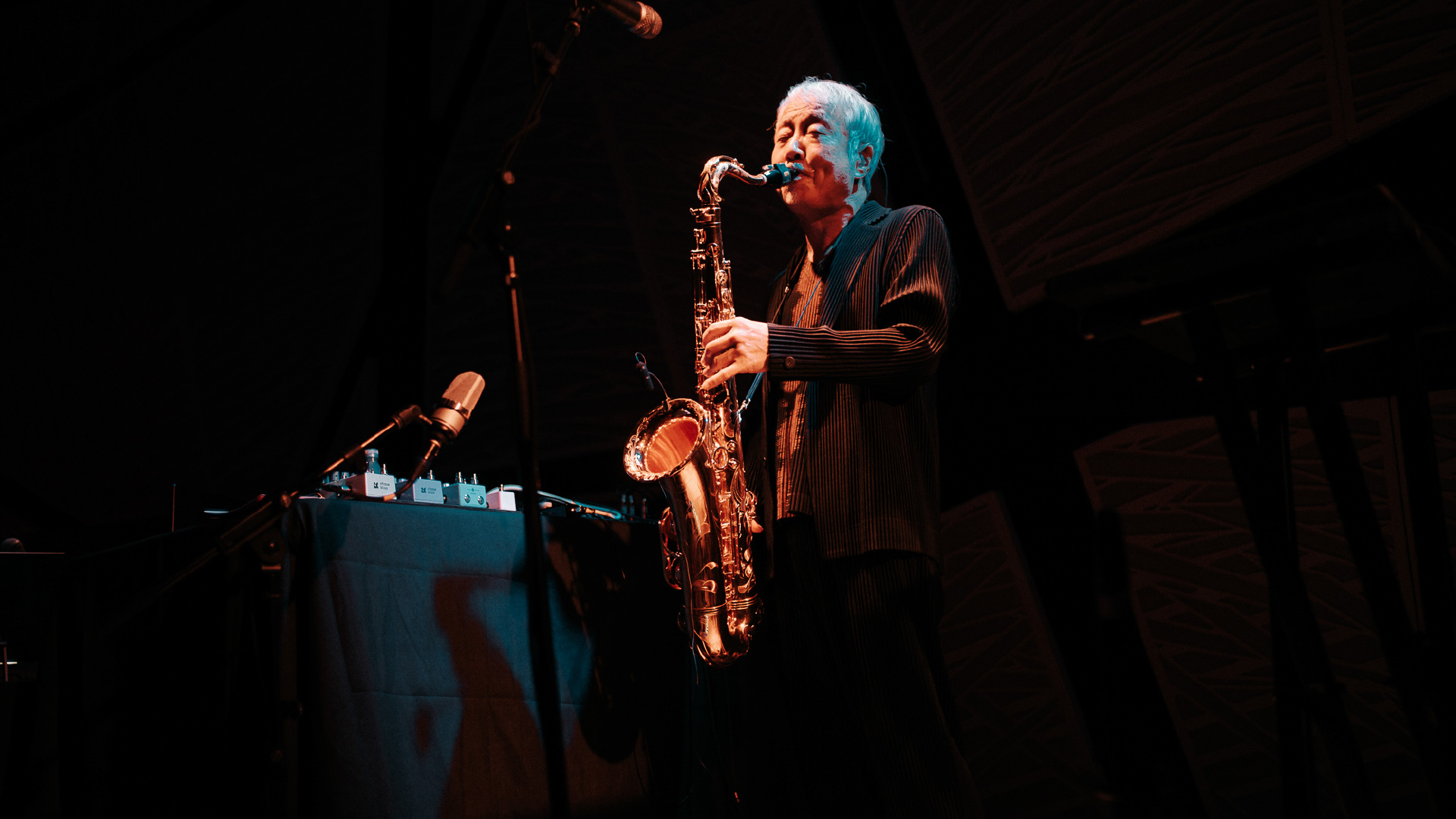
Born near Mount Fuji in post-World War II Japan, Shimizu was raised in a musical household, bewitched by his parents’ polyglot record collection. He played drums, piano, and guitar before finding the saxophone at age 11. The sax has been one key to his career, from his early session work to his ’90s arrangements of Bach’s cello suites and Goldberg Variations for, respectively, tenor sax and an ensemble of horns and contrabasses. But the sax is only part of Shimizu’s artistry. His electronic production through the ’80s, from the aforementioned phantasms to globe-trotting pop records like 1987’s Subliminal to his collection of miniature symphonies for commercials that same year, feel like direct precursors to modern pop and experimental music alike. Onstage, Shimizu moves between saxophone, electronics, and voice as his sister, Mieko Shimizu, adds layers and sends his processed signal back to him. It is a riveting show from an innovator finally getting his global due.