Heart Trio
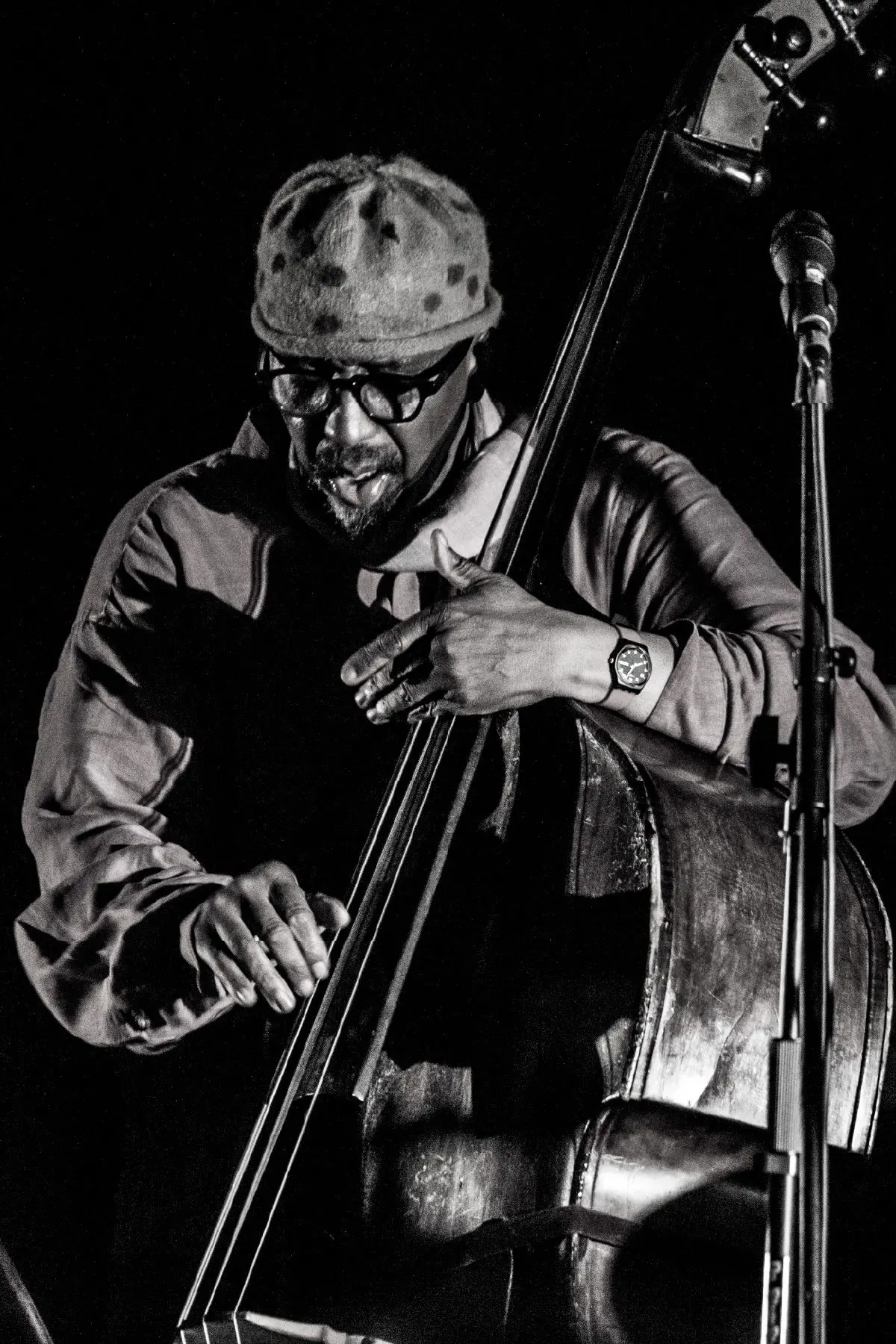
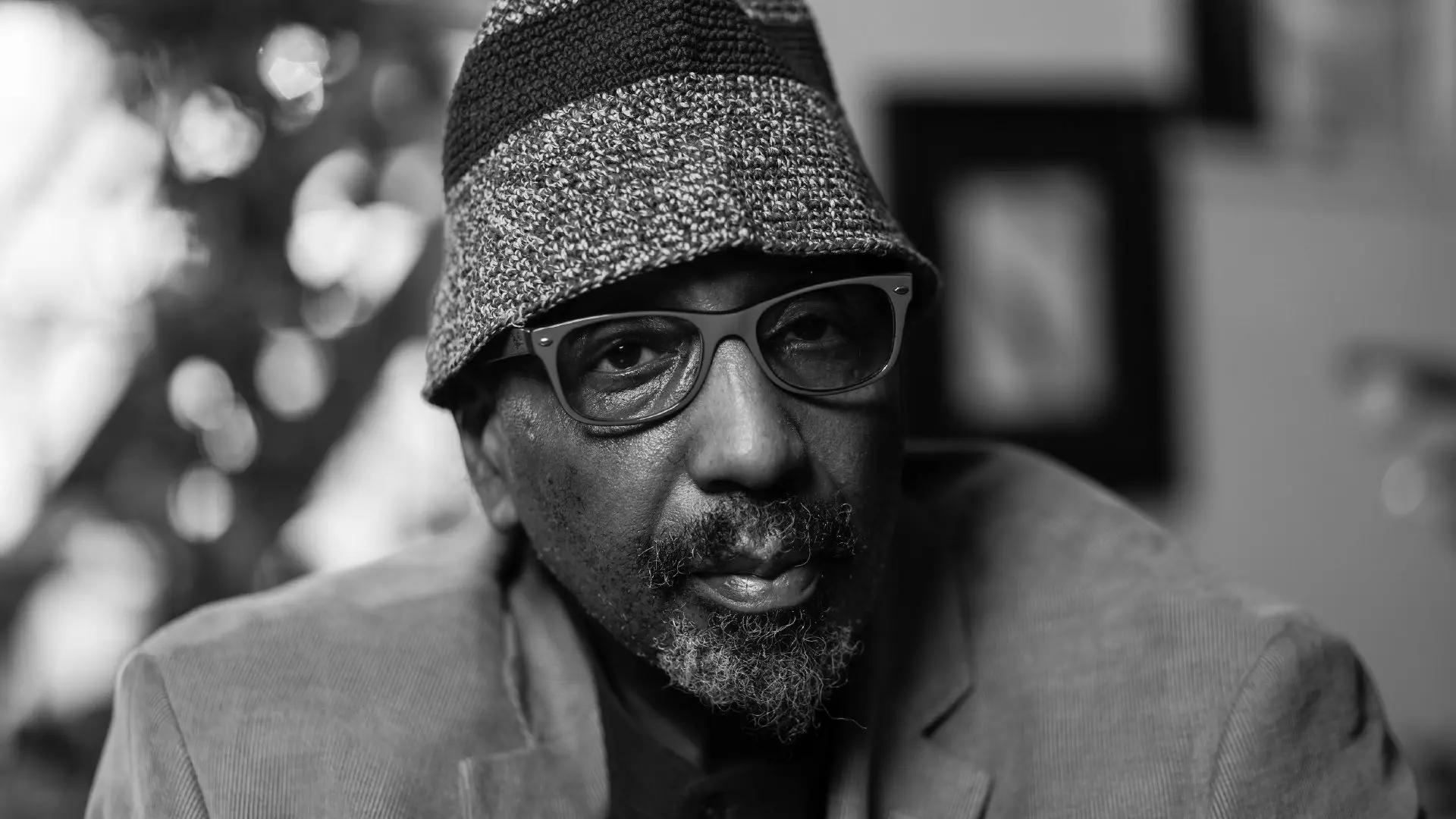
The Village Voice once proclaimed that William Parker was “the most consistently brilliant free jazz bassist of all time.” The New York Times called Parker a “champion of improvised music, community building, and appreciation of beauty.” If Parker had his druthers, though, he would likely strip away the hierarchy not just of superlatives but also of money in music, so that the art could simply exist. “Music is a great force, and we have to get it out there,” he once said. “We will continue to exist without the praise and the talk and the pay.” Parker grew up in the South Bronx, playing along to his father’s record collection by blowing into the end of a toy gun, pretending it was a trumpet. He got a gig the day he bought his first bass at 19 and often walked nine miles across New York, his bass strapped across his back, to play on the Lower East Side. He has not looked back since. He played with Cecil Taylor and David S. Ware for decades before emerging as a bandleader in the ’90s, becoming wildly prolific in part by being open to Universality Tonality—that is, the belief that everyone can tap into the shared communication, wisdom, and redemption of music. Big Ears 2027 will celebrate the 75th birthday of this free music powerhouse and mentor by hosting five of his bands.
Parker has played with drummer Hamid Drake and pianist Cooper-Moore for decades. Cooper-Moore was a linchpin of Parker’s indispensable In Order to Survive band in the mid-’90s, while Drake and Parker cemented their relationship with their Black Cherry duo in 2000, prompting more than a dozen collaborations in the subsequent quarter-century. In May 2021, as pandemic fears finally subsided, the three gathered in a Brooklyn studio to explore the kind of patient, steady grooves that speak to the wisdom of three musicians who understand that music can cradle and even heal creators and listeners alike. Parker set his bass aside for the hunter’s harp and a cadre of flutes from around the world, while Cooper-Moore played two instruments he built, a harp made from a hoe and a xylophone he calls the ashimba. Drake moved between frame drum and drum kit. “Five Angels by the Stream” is as dreamy as the title suggests, the steadfast rhythm and dancing tones suggesting the transnational explorations of Don Cherry and his successors in Natural Informational Society. This trio of free music heroes reconvene in Knoxville for a rare appearance, with Parker on guembri and shakuhachi.